PRP A2M
Alpha-2-Macroglobulin (A2M) is a broad-spectrum protease inhibitor that helps regulate inflammation by neutralizing catabolic enzymes like MMPs and cytokines, which contribute to tissue degradation. By preventing excessive inflammation and cartilage breakdown, A2M is particularly beneficial in osteoarthritis, tendon injuries, and joint degeneration. It also promotes a pro-healing environment by reducing oxidative stress and supporting tissue regeneration. As an autologous biologic, A2M-based therapies offer a natural, targeted approach to slowing degeneration and enhancing recovery in musculoskeletal and orthopedic applications.
Natural, Targeted
Emcyte Kits
Platelet-rich Plasma (PRP) A2M (Alpha 2 Macro Globulin)
What is PRP A2M?
An advanced regenerative injection designed to reduce inflammation and help protect cartilage from degeneration.
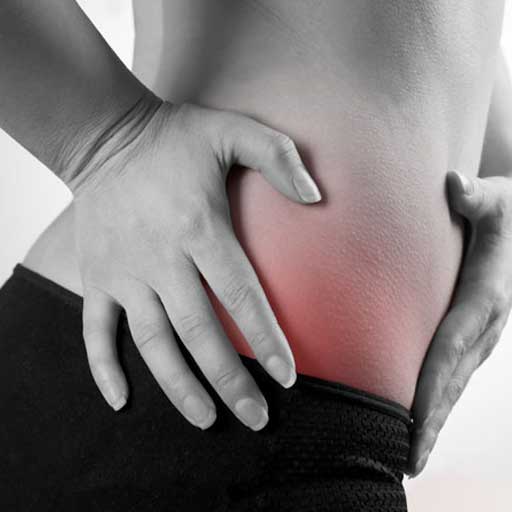
PRP A2M combines platelet-rich plasma (PRP) with Alpha-2 Macroglobulin (A2M), a naturally occurring protein that inhibits inflammatory enzymes responsible for breaking down cartilage. When joints become inflamed due to arthritis, chronic injury, or degeneration, these enzymes can accelerate cartilage damage.
How Is PRP A-2M Made?
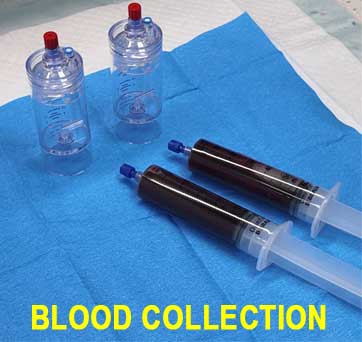
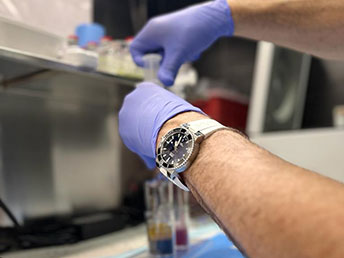
Blood Collection
centrifugation
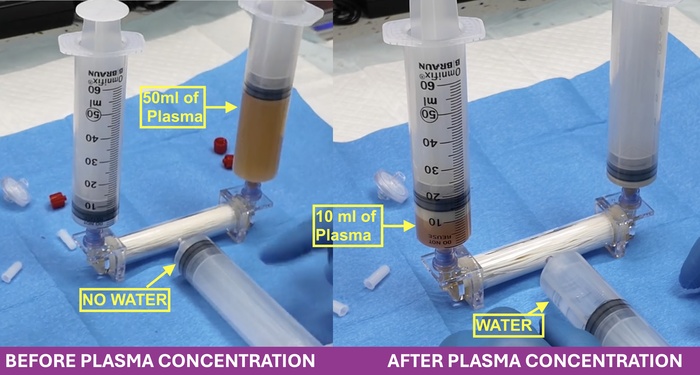
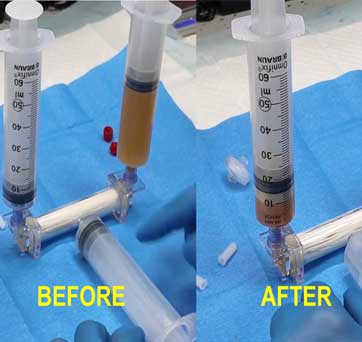
Plasma Extraction
1. Blood Collection:
Blood Draws Are Typically Either 60 Or 120 Ml
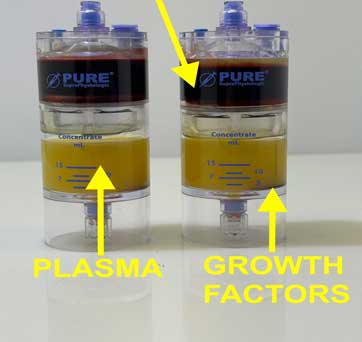
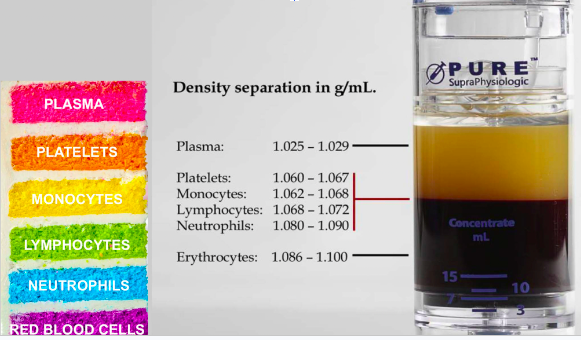
PRP Processing System: Our clinic uses Emcyte’s Pure PRP-A2M system that is FDA cleared. It is a double chamber-double spin system that yields the highest concentration of PRP. This is the system used for all our PRP injections.
2.Centrifugation:
The Centrifugation process spins the blood at high speeds (3800rpm)
- Plasma (Top Layer)
- Platelet-rich plasma (the middle layer rich in growth factors and platelets)
- Red blood cells (the bottom layer).
3. Plasma Extraction:
Our Clinic Uses Emcyte’s A2M FDA Approved Plasma Kits.
1. Preparation for Injection:
- The concentration of PRP and concentrated A2M are mixed together to create a very powerful regenerative injection.
2. Mechanism of Action
Cartilage Protection: A2M works by inhibiting enzymes that break down cartilage, which can help protect the joints and promote healthier tissue regeneration.
Inflammation Modulation: It can also help modulate the inflammatory response, creating a more conducive environment for healing.
Applications of PRP-A2M
PRP-A2M combines platelet-rich plasma (PRP) with Alpha-2 Macroglobulin (A2M), a naturally occurring protein that inhibits inflammatory enzymes responsible for breaking down cartilage. When joints become inflamed due to arthritis, chronic injury, or degeneration, these enzymes can accelerate cartilage damages known to have protective properties, particularly in relation to joint health, and is primarily used in the treatment of conditions such as:
Osteoarthritis of the hips
Osteoarthritis of the knees (especially bone-on-bone conditions)
Inhibit destructive inflammatory enzymes
Slow cartilage breakdown
Support joint healing
Reduce chronic inflammation
Provide a non-surgical option for joint pain
Tendon Injuries
Muscle Injuries
The goal of this treatment is to stop tissue destruction, not to just suppress symptoms.
We Base Our Outcomes on Research, Not Luck
PRP A 2M Key Benefits
Heals Joints & Chronic Injuries
A2M is particularly beneficial in osteoarthritis, tendon injuries, and joint degeneration.
Protects Joints & Tissue Regeneration
A2M-based therapies offer a natural, targeted approach to slowing degeneration and enhancing recovery in musculoskeletal and orthopedic applications.
We Base Our Outcomes on Research, Not Luck
Types Of Conditions Treated With PRP (Platelet Rich Plasma Therapy):
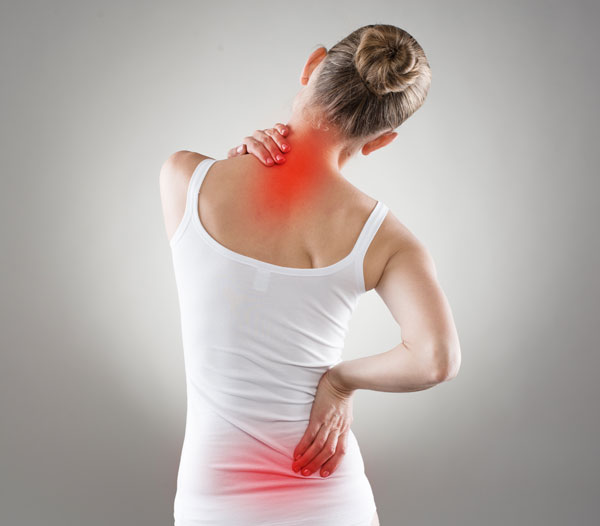
- Neck pain
- Mid back pain
- Low back pain
- Lumbar facet pain
- Degenerative disc disease
- Sacroiliac joint pain
- Carpal tunnel
- Hand pain / Arthritis
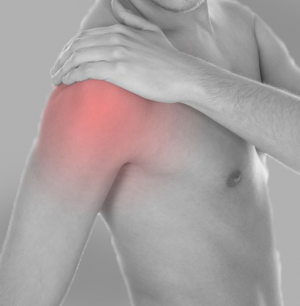
- Shoulder pain
- Shoulder labrum
- Rotator cuff tears
- Biceps tear
- Bicep Tendinitis or Tendinosis
- Lateral / medial elbow pain
- Adductor Groin
- Chondromalacia Patella
- Knee Pain/Arthritis
- Patella/Teninopathy
- Calf Strain/Partial Tears
- Achilles Strain/ Tears
- Plantar Fasciitis
- Quad Strains
- Glute Pain
- Glute Medius
- Tendonitis
- Hip Trochanteric
- Piriformis Syndrome
- Sciatic Pain
- Hamstring Strain
- Partial Tears
Why Choose PRP vs Prolotherapy?
Your PRP Processing Method and How It Can Effect Your Outcome:
PRP is currently rising in popularity for conditions ranging from musculoskeletal conditions to aesthetics. The efficiency of the treatments depends on the dose of viable platelets injected directly to the area of damage. The best PRP processing kits have been shown to produce platelet concentrations that are 7X to 14x higher than your whole blood. The increase in viable platelets, depending on the type of injury, substantially increases positive outcomes.
Many clinics offering PRP treatments will opt for processing methods that are faster and more economical. In fact, many processing methods have fewer platelets than whole blood! Making your treatment “Platelet Poor Plasma Therapy”.
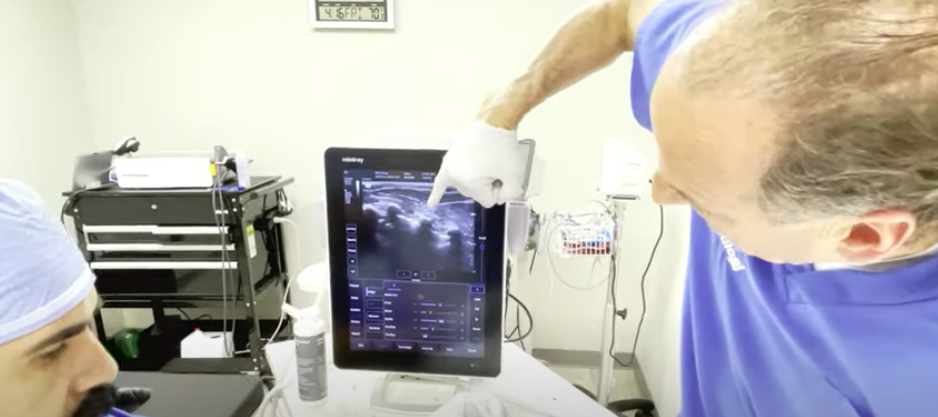
Clinics will often administer injections without ultrasound needle guidance or an experienced clinician. Not knowing and seeing the exact area of injury drastically decreases the probability of a positive outcome. Unfortunately for the patient, PRP procedures have, at this time, no standardization in how the blood is processed and administered. While there are thousands of research articles on PRP and its efficiency, results of clinical studies vary drastically due to a current lack of standardization.
At Ultimate Medical Group we use Emcyte Pure PRP for our processing. All injections are performed using needle guidance by our experienced clinician. We base our outcomes on research and not luck. Harvesting your own blood to enhance your body’s own healing potential.
Why Choose PRP vs Prolotherapy?
Our entire staff is recognized for outstanding performance in their individual fields.
High Quality Lab
In iaculis nisi, a tempor diam luctus elit vulputate aliquet proin tincidunt
Unmatched Expertise
In iaculis nisi, a tempor diam luctus elit vulputate aliquet proin tincidunt
Precise Result
In iaculis nisi, a tempor diam luctus elit vulputate aliquet proin tincidunt
Qualified Staff
In iaculis nisi, a tempor diam luctus elit vulputate aliquet proin tincidunt
PRP Commonly Asked Questions
Most tendons and ligaments have a poor blood supply and are often the site of microscopic tears or scarring. Sometimes when we injure a tendon or ligament the healing process does not work correctly and instead of forming healthy collagen fibers, there is significant scar tissue that develops in its place.
The development of scar tissue further prohibits proper blood flow to the injured area. This means that the tissue will never really have the opportunity to heal correctly. That is why sometimes ligament and tendon injuries heal and other times they do not.
Most often medications are given to treat pain and inflammation, but they don’t treat the underlying problem of scar tissue. When these injuries don’t heal properly, the pain may become chronic.
PRP Therapy is the injection of the patient’s’ own high concentration of platelets into an injured tendon, ligament or muscle tear. The injection penetrates the scar tissue and brings natural healing cells to an area that is deficient, allowing the body to resume natural healing.

PRP therapy is done in our office and takes about 45 minutes in total. A small amount of the patient’s own blood is taken with a simple blood draw.
Using specialized processing techniques in our on-site dedicated lab this blood is spun down to separate out and concentrate the platelets and growth factors that are essential for tissue healing.
The resulting small amount of fluid with concentrated platelets and growth factors is called platelet rich plasma (PRP). The PRP concentrate is then injected into the injured area.
Yes. High definition ultrasound images are the best way to identify the area of injury. It is a live view, which enables the doctors to move you around if necessary, (which is very valuable particularly when viewing joints), causing your ligaments and tendons to move, allowing the doctor to see a problem that is often hidden by a stagnant picture. Our treating physician, only injects using live ultrasound imaging and is a certified ultrasound specialist. The physician is then able to use a needle to inject the PRP into the injured area and even between tightly packed collagen fibers.
Each patient is unique, so each patient may respond differently to PRP treatment. Because PRP aims to stimulate the body to heal on its own, to accelerate healing, and to stop damage before it progresses, individual results vary.
Equally important to the healing process is our integrated team of physicians and physical therapists who develop a post-procedure protocol for you to assist the healing process and reduce the risk of future injury.
PRP therapy may be a viable procedure for patients who are post surgical and experiencing ongoing pain. In some instances, ultrasound and MRI images have shown definitive tissue repair has occurred after PRP therapy.
Because PRP stimulates natural healing, you are not likely to notice immediate results. Some patients may or may not notice an increase in pain in the days following the injection(s). Each day, as the pain lessens, functional mobility, endurance and strength should increase. You should notice gradual improvement in 2-6 weeks, with some patients reporting ongoing improvement in 6-9 months. Not all patients respond to PRP treatment.
PLEASE MOVE CONTENT FROM UMG TO THIS SECTION -Lorem ipsum dolor sit amet, consectetur adipiscing elit. Ut elit tellus, luctus nec ullamcorper mattis, pulvinar dapibus leo.
Lorem ipsum dolor sit amet, consectetur adipiscing elit. Ut elit tellus, luctus nec ullamcorper mattis, pulvinar dapibus leo.
View Our PRP Video Library
Playlist
0:16
0:16
0:16