
 Like every medical advancement, stem cell therapy continues to evolve as researchers learn more about where it works best, who is most likely to benefit, and how treatment protocols can be improved. Medicine has always progressed through research, clinical experience, and carefully conducted studies, not simply through personal opinion.
Medicine Evolves With Evidence
Many treatments that are considered standard today were once viewed with skepticism. As research grows and technology improves, physicians gain a better understanding of which patients are appropriate candidates and what outcomes can realistically be expected.
Stem cell therapy is no different
Today’s regenerative medicine is supported by a growing body of scientific literature investigating its role in orthopedic injuries, sports medicine, wound healing, and even cardiovascular disease. While stem cell therapy is not a cure all, research continues to expand our understanding of its potential.
Research Beyond Orthopedics
One example comes from cardiovascular medicine:
In 2016, the American College of Cardiology reported encouraging findings from a clinical study evaluating stem cell therapy for patients with severe heart failure who had limited treatment options.
According to the report:
Stem Cell Therapy Improves Outcomes in Severe Heart Failure
In Patients With Few Treatment Options, Trial Shows Significant Benefits From Stem Cell Therapy.
This type of research demonstrates that stem cell science extends far beyond orthopedic medicine. Researchers around the world continue to investigate how regenerative therapies may help support the body’s natural healing processes across multiple medical specialties.
Not Every Stem Cell Treatment Is the Same
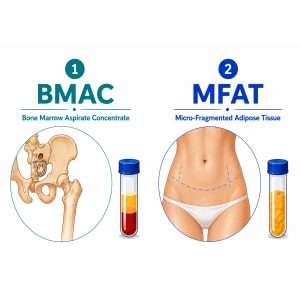
It is also important to understand that stem cell therapy is a broad term.
Different procedures use different sources of cells, different processing methods, and different treatment protocols. The quality of the procedure, the physician’s experience, patient selection, and the condition being treated all play an important role in outcomes.
This is one reason why published research sometimes produces different results. Studies are often evaluating very different procedures under the same general label.
Setting Realistic Expectations
Regenerative medicine should never be presented as a miracle cure. Instead, it should be viewed as one treatment option that may help certain patients reduce pain, improve function, and potentially delay or avoid more invasive procedures when appropriate.
The best physicians discuss both the potential benefits and the limitations of treatment, helping patients make informed decisions based on current evidence rather than misconceptions.
Healthy skepticism is an important part of medicine. At the same time, scientific progress depends on continuing to evaluate new therapies through rigorous research rather than dismissing them outright.
As more high quality clinical studies are published, our understanding of regenerative medicine, including stem cell therapy, will continue to grow. Patients deserve balanced information based on evidence, not simply personal belief.
If you’re considering regenerative treatments, speak with a physician experienced in these therapies who can explain your options, discuss the current research, and determine whether you may be an appropriate candidate.
Disclaimer: Stem cell therapy is not appropriate for every patient or every condition. Results vary based on individual circumstances. Patients should consult with a qualified healthcare provider to determine whether regenerative medicine is appropriate for their specific medical needs.